Toy Story 5 confirms that admitting failure is the final creative move
The directors paused filming for two weeks to fix a script that did not work. The result was a billion-dollar hit, and a lesson about the risk of producing on autopilot.
The poster promised the return of Woody, Buzz and the rest of the gang. The trailer promised laughter, nostalgia and the kind of family viewing that makes the box office very happy. Behind the cameras, however, things were not going quite so well.
Toy Story 5 was halfway through production when directors Andrew Stanton and McKenna Harris faced an unpleasant discovery: the movie was not good enough. Not terrible, they clarified, but simply below the standard expected from Pixar. The reels they had did not hold up for a fifth installment of one of the studio's most beloved franchises.
The problem was in the first act
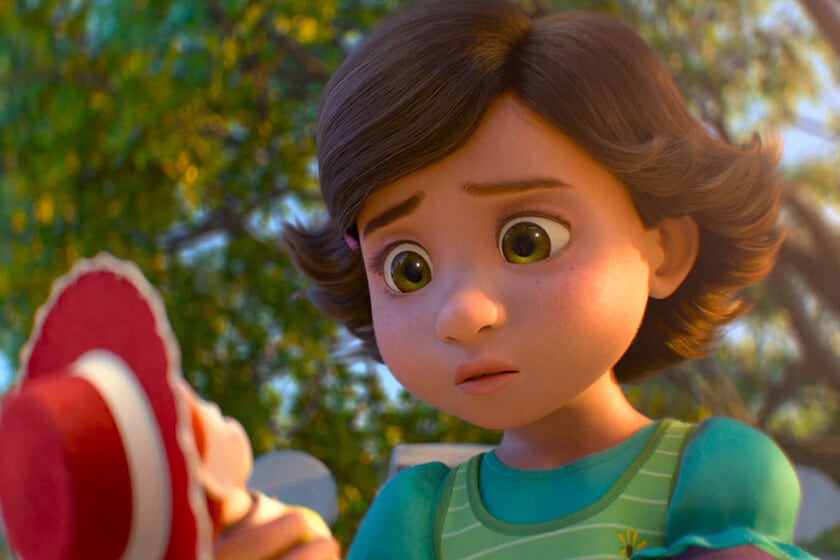
The initial story focused on the toys competing for Bonnie's attention through Lilypad. The setup was not disastrous, but it felt too close to the dynamics of the first Toy Story from 1995. No matter how they adjusted the approach, the emotional hook remained missing. This is where the project enters the familiar territory of making sequels: repeating a successful formula and calling it strategy.
Rather than pushing forward, Stanton and Harris made the decision to stop filming entirely for two weeks. They did not throw away the material or start over from zero. They looked for something within the existing work that could justify the audience investing another chapter in these characters. Two weeks of silence, in other words, to avoid spending months on a story that did not deserve to exist.
The turning point came when they placed Bonnie and her shyness at the center. Jessie's goal changed: she was no longer primarily trying to win more play time, but to help the girl find a friend. That shift provided the story with what Harris called the fuel for their rocket. It was not a revolutionary idea. It was simply more human.
“Working on the movie, we had a problem. It was not good. I did not like it. It was not that it was bad, bad, but being bad is not good enough for Pixar. The reels we had were not good enough for a fifth Toy Story, and there was a lot of pressure for this movie to be a success.”McKenna Harris
For Harris, the decisive step was not the change itself, but the willingness to recognize that the work was not working and ask for help. It is a quality that has nothing to show off and everything to do with professional maturity. Plenty of projects would have continued forward, protected by sunk costs, deadlines and the hope that everything would somehow improve on its own. Usually, it does not.
“Looking back, this is the moment that turned a watchable movie into a good one. Bringing it to life with our team of incredible artists is what transformed a good movie into a great one.”McKenna Harris
The gamble paid off. Toy Story 5 arrived in cinemas in 2026 and surpassed one billion dollars in global box office revenue. Between the initial script, the production pause and the final result, the lesson is fairly straightforward: admitting something is not good enough is harder than continuing to pretend otherwise.
And whoever helped Bonnie find that friend deserves a round of applause. I will not say more, because Pixar already knows where to send the invoice.